
English| EUR
Suggested for you
More currencies
Choose a language
Pristina has evolved into a stable destination for international visitors, with the Bear Sanctuary operating under standard European safety protocols. This guide covers current security conditions, on-site precautions, and practical measures for a safe visit to the conservation facility in Mramor.
Quick answer
Is it safe to travel to Pristina Kosovo? Yes, Pristina is considered safe for tourists in 2026, with low crime rates and a stable security environment. The Bear Sanctuary in Mramor follows strict visitor safety protocols, including marked pathways, secure viewing barriers, and trained staff supervision. Standard travel precautions apply: carry identification, monitor your belongings in crowded areas, and follow sanctuary guidelines around the enclosures.
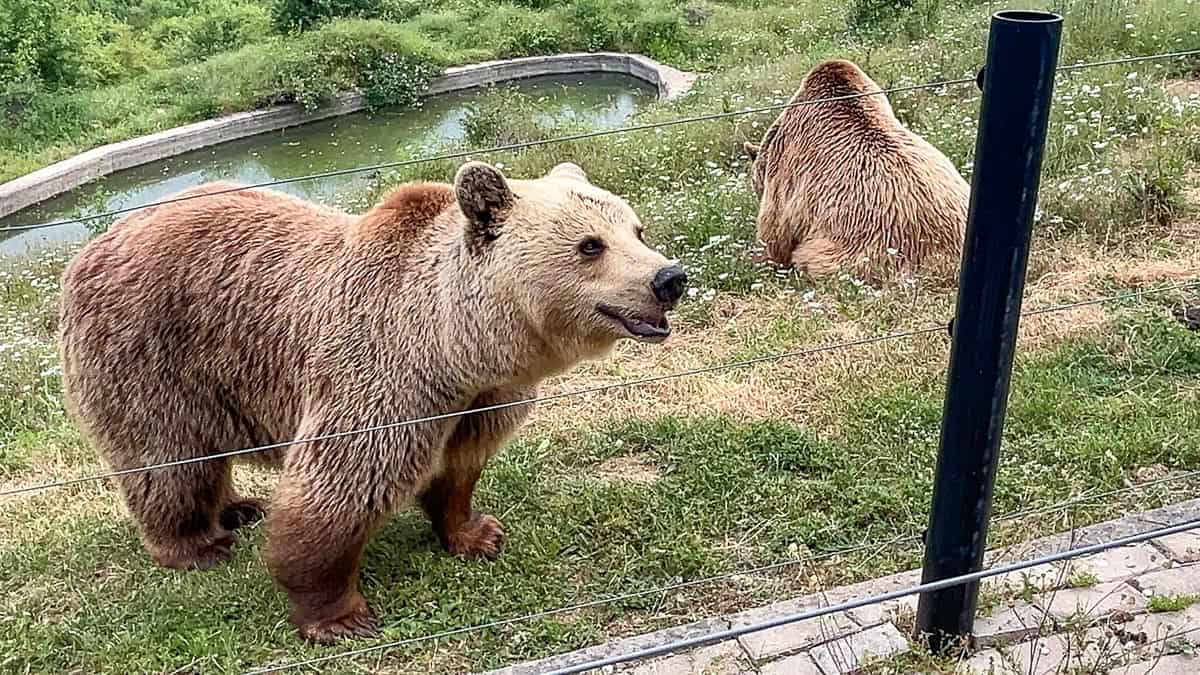
The Pristina Bear Sanctuary hosts over fifteen rescued brown bears on a forty-hectare forested site, and every enclosure is designed with visitor safety as a structural priority. Steel mesh barriers stand three meters high along all public pathways, with buffer zones that keep guests at a safe distance from the animals while preserving clear sightlines. Staff monitor the grounds continuously during operating hours, and emergency protocols are posted at the entrance and near each viewing platform. Kosovo's capital has maintained political stability since 2008, and Pristina itself records crime levels comparable to mid-sized European cities. Petty theft occurs occasionally in the central bazaar and bus station, but violent incidents involving tourists remain exceptionally rare. The sanctuary sits eight kilometers northeast of the city center in a quiet residential district, accessible by marked roads with no reported security concerns. Visitors should carry a photocopy of their passport, as police occasionally conduct routine checks near municipal boundaries. Safety around rescued wildlife depends entirely on respecting the sanctuary's boundaries. Bears are not domesticated, and approaching the fencing or attempting to feed animals results in immediate removal from the site. Children must remain under adult supervision at all times, particularly near observation decks where elevated platforms require attention to railings and steps. The terrain is uneven in sections—sturdy footwear prevents slips on gravel paths, and the sanctuary discourages sandals or open-toed shoes during wet conditions. The broader question of travel safety in Pristina hinges on awareness rather than avoidance. Mobile networks function reliably across the city, ATMs are abundant, and English is widely spoken in hospitality settings. The sanctuary's location in Mramor benefits from low traffic density and well-maintained infrastructure, with taxi services operating transparently through meter-based fares. Visitors who follow posted rules, stay within designated areas, and exercise the same caution they would in any European nature reserve will find the experience both secure and rewarding.
“Steel mesh barriers stand three meters high along all public pathways, with buffer zones that keep guests at a safe distance from the animals while preserving clear sightlines.”
The best arrival window is 10:00–12:00 to avoid mid-day heat and large crowds for better bear visibility. Visiting during these hours helps ensure a quieter experience as you observe the animals in their enclosure.
Mild, 15°C to 20°C. Bears are active and vegetation is lush.
Warm to hot, 25°C to 30°C. Animals often seek shade during peak heat.
Cool, 12°C to 18°C. Comfortable walking temperatures for visitors.
—
Mid-week visits offer the most solitude for viewing the sanctuary residents.
Verdict: For the optimal balance of bear activity and visitor comfort, aim for a weekday arrival between 10:00 and 12:00 during the months of April or October.
The Bear Sanctuary Pristina operates on a consistent schedule throughout the week, welcoming visitors daily from morning until early evening.
The Bear Sanctuary Prishtina is located in Mramor, approximately 20 kilometers east of Pristina city center. The most direct approach is by private vehicle or taxi via the M25 road.
Direct transfer from Pristina center to Mramor
Route M25 towards Gjilan to Mramor
Public bus line towards Gjilan, request stop at Mramor
Parking is available on-site at the main entrance. For visitors without a private vehicle, coordinating a round-trip taxi service is the most reliable method for reaching the sanctuary.
Maximize your experience at the sanctuary by respecting the animals' natural behaviors and preparing for the terrain.
Keep to the designated trails at all times to avoid disturbing the bears and to ensure personal safety. Moving off-path is prohibited and can cause unnecessary stress to the animals.
Maintain a quiet demeanor near the enclosures to allow the bears to follow their natural routines. Loud noises or shouting may cause the animals to retreat into their shelters.
The sanctuary grounds consist of uneven terrain and natural forest trails that require sturdy walking shoes. Sandals or flip-flops are not suitable for the extended walking required to view all enclosures.
The facility is located in an open, elevated area where temperatures can shift quickly throughout the day. Bring a light waterproof layer or sun protection depending on the season, as there is limited cover along the paths.
These are rescued bears living in a naturalistic environment rather than a zoo setting. If the bears are not immediately visible, wait quietly or check back later, as they often retreat to dens for privacy.
Everything you need to know about is it safe to travel to pristina kosovo
Travelers frequently ask is it safe to travel to pristina kosovo, and the answer is generally yes, as the region is stable and welcoming to tourists. Visitors should maintain standard awareness while exploring the city and surrounding areas like the sanctuary. Exploring the sanctuary is a highlight for many who wonder is it safe to travel to pristina kosovo while planning their Balkan itinerary. Local infrastructure is well-maintained, ensuring that safety is rarely a concern for those following marked paths. Plan your visit between 10:00–12:00 to avoid mid-day heat and large crowds for better bear visibility. The sanctuary is open daily from 10:00 to 19:00, providing flexible windows for your journey. There is a conservation fee of 4 EUR per person to support the care of the animals. This fee is collected upon entry to the facility. This sanctuary is an excellent educational destination for families interested in wildlife conservation and animal welfare. The walking paths are generally accessible, making it a comfortable experience for children. Many visitors arrive without checking the optimal arrival window, leading to missed opportunities to see the bears when they are most active. Ensure you arrive early to experience the sanctuary in a more tranquil atmosphere.